Rioja Revealed
Trevor Sharot
First published in La Revue du vin de France (Mandarin edition) April 2014
I am at home in London on a very hot July evening, enjoying some poached salmon with a salad, followed by fruit and French and Spanish cheeses. And two glasses of wine – one white and one red.
The white wine is Viña Tondonia Blanco Gran Reserva from R. López de Heredia in Rioja, which I previously wrote about in the January 2013 edition. This is my first tasting of the 1981 vintage. There is clearly no hurry to drink through my stocks, for this wine, though over thirty years old, is barely out of short trousers. It partners the salmon and then a creamy Loire cheese very well.
The red is also from Rioja – La Rioja Alta 890 Gran Reserva from 1998. It is the flagship of LRA’s several excellent cuvées, taking its name from 1890, the year this bodega was founded. This glass is releasing waves of aromas of fruit, herbs and spice: strawberries, ripe cherries, mint and vanilla. Again, there is no rush to finish these bottles. Though already fifteen years old and tawny in the glass, it shares with its white neighbour refreshing acidity, oodles of fruit, vanilla from many years maturing in oak barrels, and an autumnal aura from long, graceful development. I am having a good evening.
To what and to whom do we owe these two ‘Spanish masterpieces’? To answer these questions properly, we must of course travel to Rioja, as I did a few weeks ago, to see the land, talk to the winemakers and taste the wines.
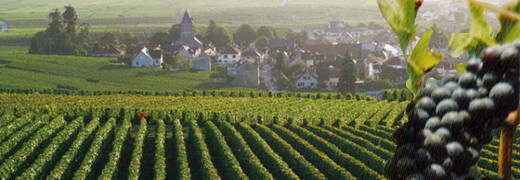
Straddling the provinces of Burgos and La Rioja is a highland park, Sierra de la Demanda - ‘Hills in demand’ - yes, this was named after a legal battle between two towns over grazing rights! Rain cascades down the slopes into the Oja Valley and then flows North as the Rio Oja, from which this region gets its name. Gathering more water from tributaries, it passes under the bridges of the beautiful town of Ezcaray and then joins the Rio Ebro. On the confluence of these two rivers lies Haro, the wine capital of La Rioja, and home to R. López de Heredia, La Rioja Alta and several other famous bodegas.
The Ebro twists and turns around Viña Tondonia and the other great vineyards, watering and fertilising the soil and helping cool and humidify the air against the fierce Spanish sun. Rain too comes in from the Atlantic, but the Cantabrian mountains allow just the right amount to reach this far south. The ground is also grape-friendly: calcareous clay or alluvial topsoil over a limestone base. This is one of nature’s ‘sweet spots’ for vines, like Vouvray, or Tianshui in Gansu province.
In fact wine has been made here for thousands of years. It was introduced by the Phoenicians, who came to prominence around 1500BC in what is now Lebanon and spread their winemaking skills all around the Mediterranean. They understood well the importance of terroir and they produced wine in a range of styles, including vin de paille (sweet wine made from grapes dried on beds of straw). Among the evidence is Phoenician wine-making equipment, amphora (storage jars) and grape pips excavated not so far from Rioja in Valdepeñas, dating from the 7th century BC.
We don’t know what grape varieties the Phoenicians grew but nowadays it’s Tempranillo (Spanish for ‘early ripener’) that dominates in Rioja, plus Viura (Macabeo) for the whites. Graciano, Granacha, Mazuelo, Malvasia and several other varieties are also grown and blended in. As in the majority of the world’s wine regions, most of the wine made is relatively inexpensive and designed to be drunk young by the domestic market – this is also true of Bordeaux for example! But like Bordeaux, La Rioja also produces many magnificent wines, made with great attention to detail and aged in oak barrels in the cellars before release. It wasn’t always aged like this - for sure the Phoenician’s didn’t do so. In fact it dates back to the 1860’s when the French vineyards were devastated by phylloxera. The French winemakers came to Rioja to buy wine and set up wineries, bringing their experience, knowledge and practices with them. To this day only barriques of 225 litres are used for maturation, the minimum time spent being regulated by Rioja DOC, with classification and labelling as either Joven, Crianza, Reserva or (in exceptional vintages) Gran Reserva.
My two bottles of wine are becoming depleted, and with the last glass I think back again to my visit to Rioja. It started at the ‘station quarter’ in Haro, where the bodegas of R. López de Heredia, CVNE, Muga, Roda, Bilbaínas, La Rioja Alta and Gómez Crusada are clustered around the railway station. Built in 1864, this railway line initially ran from Tudela, further downriver, up the Ebro to Haro and then north to Bilbao, enabling wine to be transported with ease to the domestic markets along the coast and for shipping overseas. (In a happy coincidence, the name of the engineer who built the line was Vignoles, which is also the name of a white grape mostly grown in the USA.)
My first visit was to Bodega R. López de Heredia, where Maria-José drove us up into Viña Tondonia, the new shoots on the Viura bush vines green and luminous and almost at the point of flowering; then a tour of the cool, cobwebbed cellars, where 3 million litres of wine from the last decade’s harvests lay still in the 13,000 oak barrels, slowly maturing and evolving.
Over the next few days we talked, drank and dined with other dedicated winemakers, including Jorge Muga; with Miguel Angel de Gregorio at Finca Allende, a little way outside Haro in the village of Briones; and at Contino nearby in Laserna, with Jesús Madrazo. There, we were asked to compare five glasses of Tempranillo that differed only in the concentration of egg white - used for fining the wine before bottling - and proceeded to a more typical tasting over a traditional Spanish lunch that started at 3pm and lasted ‘til six.
We saw tradition but also experimentation and innovation, all of which seem to coexist happily in Spain. While R. López de Heredia was founded in 1877 and hasn’t changed its philosophy since, Roda dates only from 1987 and Finca Allende from 1995, but both already have fine reputations and several awards for their wines.
My glass and my bottles are finally empty. Now it’s your turn, especially if you have not yet explored the repertoire of this great wine region. Some wines I could recommend, amongst many others, include:
Contino: Contino Graciano, Contino Gran Reserva and Vina del Olivo
CVNE: Viña Real Reserva and Imperial Gran Reserva
Finca Allende: Aurus and Calvario
La Rioja Alta: Gran Reserva 904 and Gran Reserva 890
Marques de Murietta: Reserva and Castillo Ygay Gran Reserva
Muga: Selección Especial and Prado Enea Gran Reserva
R. López de Heredia: Viña Tondonia Blanco Reserva and Gran Reserva
Roda: Roda Reserva and Cirsion
|
|